
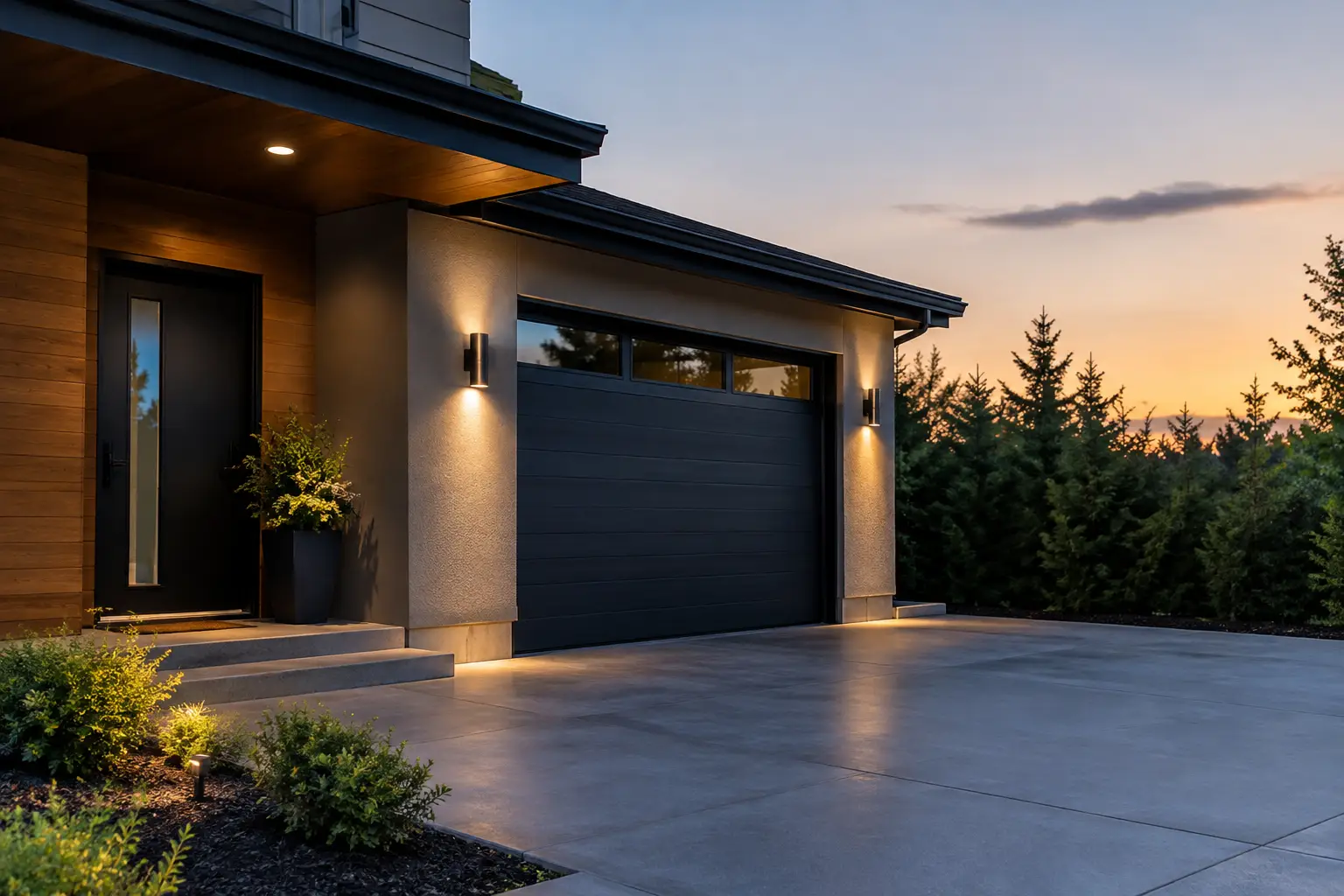
A dark side yard, an unlit gate, and a deep shadow near the garage can change how a beautiful property feels after sunset. Thoughtfully planned security lighting addresses those vulnerable areas without turning a Tampa Bay home into a floodlit parking lot. The difference is not simply more light. It is purposeful illumination that makes arrivals easier, pathways clearer, and the property’s most distinctive features visible from the street.
For an established home, security and beauty should never compete. The most effective outdoor lighting plan uses layered, carefully aimed fixtures to create visibility where it matters while preserving the warmth, privacy, and architectural character that made the property worth investing in.
Security Lighting Is a Design Decision
Security lighting is often treated as a single fixture mounted above a garage door or beside a back entry. That approach may add brightness, but it rarely creates a sense of control across the property. A well-designed system considers where someone arrives, how residents move through the grounds, where sightlines end, and which areas naturally become hidden after dark.
The goal is to reduce dark pockets without producing harsh glare. Excessively bright fixtures can actually work against security by creating sharp contrast between illuminated and unilluminated areas. They can also shine into neighboring homes, wash out the façade, and make outdoor living spaces feel clinical rather than inviting.
A tailored plan balances ambient illumination with focused light. Softly lit planting beds can define the perimeter of a home. Downlighting from mature trees can bring gentle visibility to a lawn or side passage. Shielded path lights can guide guests from the drive to the front door. Each layer contributes to a property that feels occupied, cared for, and easier to navigate.
Begin With the Places That Matter Most
Every property has different priorities. A waterfront home may need special attention around a dock, seawall, or rear deck. A home with a pool cage benefits from lighting that clarifies thresholds and walking surfaces without disrupting an evening gathering. A long drive, detached garage, or side gate may require a more deliberate approach than a compact lot with clear street visibility.
Start by considering the transition points around the home. Front entries, garage doors, side doors, gates, and rear patio access points deserve reliable illumination because they are where family members, guests, deliveries, and service professionals regularly move. These areas should be bright enough for recognition and safe footing, but not so intense that the fixtures become the focal point.
Next, consider circulation. Walkways, steps, changes in elevation, and routes from the driveway to the home need consistent visual guidance. This is especially valuable during Tampa Bay’s frequent evening rain showers, when wet pavers, deck boards, and landscape edges can become difficult to see.
Finally, look at the edges of the property. Dense landscaping, side yards, fence lines, and the space behind outbuildings can disappear at night. A designer does not need to blanket these areas in light. Selective illumination can establish visual depth and reduce the uncertainty created by large, unbroken shadows.
The Front Elevation Sets the Tone
The front of a home should feel welcoming first and secure second, with both qualities working together. Uplighting columns, textured stone, rooflines, and specimen trees adds architectural definition while expanding the visible field around the entry. When the façade has dimension, the property appears more finished and more actively maintained after dark.
This is one reason decorative landscape lighting can play a meaningful role in security. It creates an elegant level of background visibility that complements task lighting at the door and driveway. Rather than relying on one glaring fixture, the entire front elevation contributes to a composed nighttime presence.
The Backyard Requires a Different Balance
Backyards are often where homeowners most want privacy, relaxation, and room to entertain. Security lighting here should respect the atmosphere. Gentle lighting at patio transitions, steps, pool deck edges, and gate access points improves usability while preserving the mood of the space.
For pool areas, placement and fixture shielding are particularly important. Reflections on water, light spill toward neighboring properties, and direct glare near seating areas can quickly undermine a carefully designed outdoor environment. The right plan adds confidence around the pool cage and deck while allowing the evening ambiance to remain calm and refined.
Choose Fixtures for Control, Not Just Brightness
The quality of the fixture matters as much as its location. Outdoor fixtures in Florida contend with heat, humidity, wind-driven rain, irrigation, and salt air in coastal communities. Weatherproof, professional-grade LED fixtures are built for that environment and are designed to hold their color, performance, and finish over time.
LED technology also gives homeowners more control over the experience. Warm color temperatures tend to flatter stone, stucco, landscaping, and architectural details far better than the stark blue-white light associated with older security fixtures. The property remains visible, but it still feels like a residence rather than a commercial site.
Beam spread and shielding deserve equal attention. A narrow beam can highlight a gate, door, or architectural column with precision. A wider, diffused beam may be better for a broad walkway or landscaped perimeter. Shielding directs illumination where it is useful and limits the glare that can make a property less comfortable for residents and neighbors.
Motion activation has its place, particularly near secondary gates, side yards, service areas, and garages. Yet it is not the right answer everywhere. Constant triggering from pets, wind-blown palms, or passing wildlife can become distracting. In entertaining spaces and front landscapes, low-level scheduled lighting often provides a more polished and dependable result, with motion-controlled fixtures used selectively where an added alert is genuinely beneficial.
Create Layers That Work Together
The strongest security lighting plans rarely depend on a single type of fixture. They combine several lighting roles so the property remains visually balanced.
Architectural lighting draws attention to the home’s strongest lines, materials, and entry features. Landscape lighting reveals trees, planting beds, and garden walls that would otherwise become dark masses. Path and step lighting supports safe movement. Focused task lighting serves doors, gates, and work areas. When these elements are coordinated, the system feels intentional rather than pieced together.
This layered approach also allows lower output at each individual fixture. Instead of one overpowering light at the garage, the drive can be subtly defined by nearby planting, façade accents, and a properly lit approach to the entry. The result is a more comfortable view from inside the home and a more distinguished impression from the street.
Timers, photocells, and smart controls help the system operate consistently. A schedule can bring the property to life at dusk and turn selected areas off later in the evening, while essential entry and safety lighting remains available. The right control strategy depends on how the home is used, whether residents travel often, and which zones need all-night visibility.
Avoid the Common Security Lighting Mistakes
The most common mistake is placing a bright floodlight at every corner and assuming more output equals more protection. This often creates glare, hard shadows, and an uneven appearance. It can also obscure the very features that give a property its presence and curb appeal.
Another misstep is installing fixtures without considering the view from inside. Light aimed toward bedroom windows, outdoor dining areas, or pool seating can become an everyday annoyance. A professional lighting design considers outward visibility and inward comfort together.
Maintenance is frequently overlooked as well. Dirt on lenses, shifted fixtures, damaged wiring, overgrown plant material, and failed lamps can gradually weaken a system’s performance. Professional maintenance keeps fixtures aligned, connections protected, and landscape growth managed so the original design continues to perform as intended.
A Professional Plan Brings Clarity After Dark
A lighting consultation should make the investment feel clear, not complicated. The process begins with a walk of the property after discussing priorities such as entry safety, entertaining, privacy, architectural features, and areas of concern. From there, a custom plan can define fixture placement, lighting effects, controls, and the practical scope of installation.
For Tampa Bay properties, local experience matters. Mature oak canopies, tropical landscaping, stucco façades, waterfront conditions, pool cages, and seasonal weather all influence where fixtures should be installed and how they should be maintained. Elegant Accents Outdoor Lighting has focused exclusively on outdoor lighting since 1999, bringing in-house installation craftsmanship and long-term service support to each tailored design.
The best nighttime result is not a home that appears overlit. It is a property that feels composed, visible, and unmistakably cared for – where every arrival is easier, every outdoor space remains inviting, and the architecture continues to make a lasting impression long after sunset.