
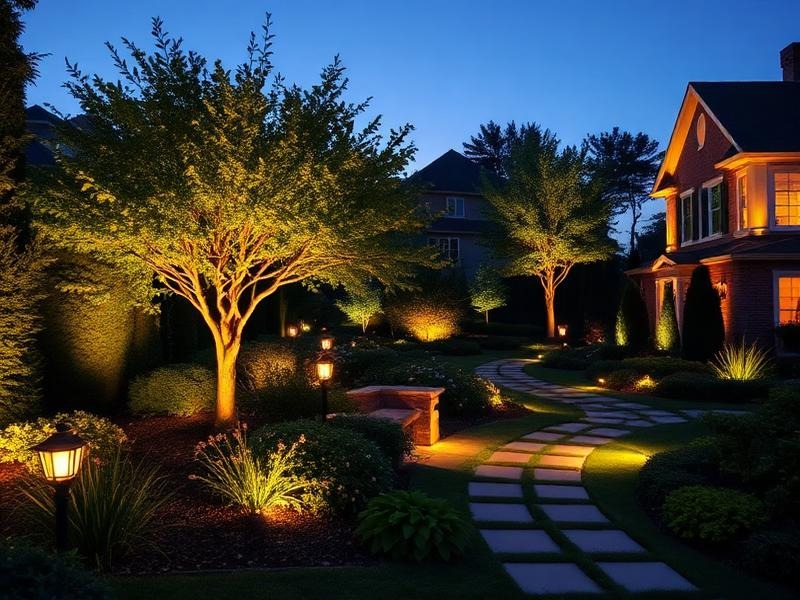
Light up Summer Nights in Clearwater with Smart Planning
Good low-voltage landscape lighting in Clearwater starts with smart planning, not just pretty fixtures. If you have a larger yard, you quickly learn that long wire runs, extra zones, and different fixture types can make things tricky. Getting the transformer size, voltage, and wire gauge right keeps your lights bright, safe, and steady all summer and all year.
Clearwater homes often have more than one outdoor area to enjoy. You might have a pool and lanai, a front entry, side yard paths, a big backyard, and maybe even a dock or deck over the water. Each area needs the right lighting plan so the whole property feels connected, but you do not end up with dim corners or blown components.
In this guide, we will walk through the basics for larger yards:
- How to size your low-voltage transformer
- How to plan for voltage drop on long runs
- How to choose the right wire gauge so your system holds up over time
Our team at Elegant Accents Outdoor Lighting works across the Tampa Bay area, including many bigger properties in Clearwater, so we see these challenges every day and know how to solve them.
Why Low Voltage Landscape Lighting Excels in Clearwater Yards
Low-voltage landscape lighting runs on a lower, safer voltage than older 120V line-voltage systems. A transformer steps household power down to a safer level that feeds your outdoor fixtures. Around pools, wet decks, docks, kids’ play areas, and pet zones, that lower voltage is a big plus.
Along with safety, low-voltage systems pair perfectly with LED fixtures. LEDs use much less power than older bulbs and stay cooler, which is helpful in Florida heat. This means you can enjoy long summer evenings outside without worrying about wasting energy.
Low-voltage LED systems also play nicely with controls like:
- Timers that match the changing sunset times
- Photocells that turn lights on at dusk and off at dawn
- Smart controls that let you adjust zones from an app
- Dimming and scene control for different moods
In Clearwater, we also have to think about coastal conditions. Salt air, humidity, heavy rain, and bright sun can be tough on cheap fixtures and weak connections. A well-planned low-voltage system uses durable, corrosion-resistant fixtures, proper cable, and weather-resistant connections. When the transformer, wiring, and layout are planned correctly, the whole system is less stressed and more likely to last in our coastal climate.
Getting Transformer Sizing Right for Larger Landscapes
Think of the transformer as the heart of your low-voltage landscape lighting in Clearwater. It takes standard power from your home and turns it into the lower voltage that feeds every light. If the transformer is too small, the whole system struggles, especially in larger yards.
To size a transformer, pros start by adding up the wattage of all fixtures that will connect to it. With LEDs, each fixture uses fewer watts, but the total can still get high when you add up path lights, uplights on tall palms, pool area lights, and dock or deck fixtures. Once you know that total, a good rule is to add a safety margin of about 20 to 30 percent for:
- Future fixtures you may want later
- Occasional changes to the layout
- Small losses in the system
On larger properties, one transformer may not be the best option. Sometimes it makes more sense to:
- Use multiple transformers closer to different zones
- Use a multi-tap transformer that offers several voltage outputs
- Place transformers where runs to each area are shorter and more balanced
Some common mistakes include maxing out a transformer right away, tucking it far from the main lighting zones, or ignoring future plans for more fixtures. All of these can lead to dim lights at the far end, stress on the transformer, and early failures.
Managing Voltage Drop Across Long Runs in Clearwater
Voltage drop is what happens when voltage slowly falls as it travels down a wire. The longer the run and the more load you put on it, the more the voltage at the last fixture drops below what came out of the transformer. In a big Clearwater yard with runs to back fences, docks, or detached outdoor living spaces, this becomes a real issue.
Voltage drop is affected by:
- Distance from transformer to the last fixture on a run
- Total wattage of all fixtures on that run
- Wire gauge; thicker wire has less drop
- Quality of connections and splices
Too much voltage drop shows up as dimming toward the end of a run, color shifts, or fixtures that fail sooner than they should. To reduce this, a good design might:
- Split one long run into two or more shorter runs
- Create separate zones for front yard, pool area, and dock lights
- Use multi-tap transformers so far runs can start with a slightly higher tap
- Place transformers closer to heavily loaded zones
Testing is also key. Pros often check voltage at the first and last fixtures on a run, then adjust taps or rebalance loads between runs. As plants grow, new fixtures get added, or outdoor areas change, rechecking and fine-tuning helps the system stay even and reliable.
Choosing the Right Wire Gauge for Coastal Conditions
Wire gauge is another piece of the puzzle. Wire sizes are labeled with numbers, and the lower the number, the thicker the wire. Thicker wire carries power with less voltage drop, which is especially important in long runs or heavily loaded runs in large yards.
For short runs to a front entry path or small flower bed, a lighter gauge may be enough. For longer runs heading to a backyard seating area or out to a Clearwater waterfront dock, a heavier gauge is usually needed to keep the voltage steady at the far end.
When planning wire for coastal yards, pros also think about:
- Burying depth so wires are protected from foot traffic and lawn tools
- Keeping wire away from areas where future digging is likely
- Using cable with jackets rated for sun and moisture
- Choosing wire and connectors that stand up to salt air
Good wire gauge planning leads to fewer service issues later. When the right wire is used for each run length and load, you see:
- More consistent brightness from first fixture to last
- Less strain on the transformer and fixtures
- Fewer broken or corroded connections in damp, sandy soil
Design Smarter, Shine Brighter with Expert Help in Clearwater
Getting low-voltage landscape lighting in Clearwater right for a larger property is about planning, not guesswork. Proper transformer sizing, smart layouts that control voltage drop, and carefully chosen wire gauges all work together. When each piece is designed to fit your yard, your lights come on night-after-night with the same warm, even glow.
For homes and businesses with pools, docks, big backyards, or complex outdoor areas, professional design and installation can save a lot of trial and error. At Elegant Accents Outdoor Lighting, we focus on custom outdoor systems across the Tampa Bay area, and we understand the demands of Clearwater’s larger properties. By testing at night, planning for growth, and offering ongoing maintenance, we help your lighting system stay ready for every summer gathering, from quiet evenings by the pool to busy weekends with family and friends.
Get Started With Your Project Today
Transform your property with professionally designed low voltage landscape lighting in Clearwater tailored to your home’s unique architecture and outdoor spaces. At Elegant Accents Outdoor Lighting, we take the time to understand your goals so we can create a custom plan that balances beauty, safety, and efficiency. If you are ready to explore ideas for your yard or schedule a consultation, simply contact us and we will help you take the next step.