
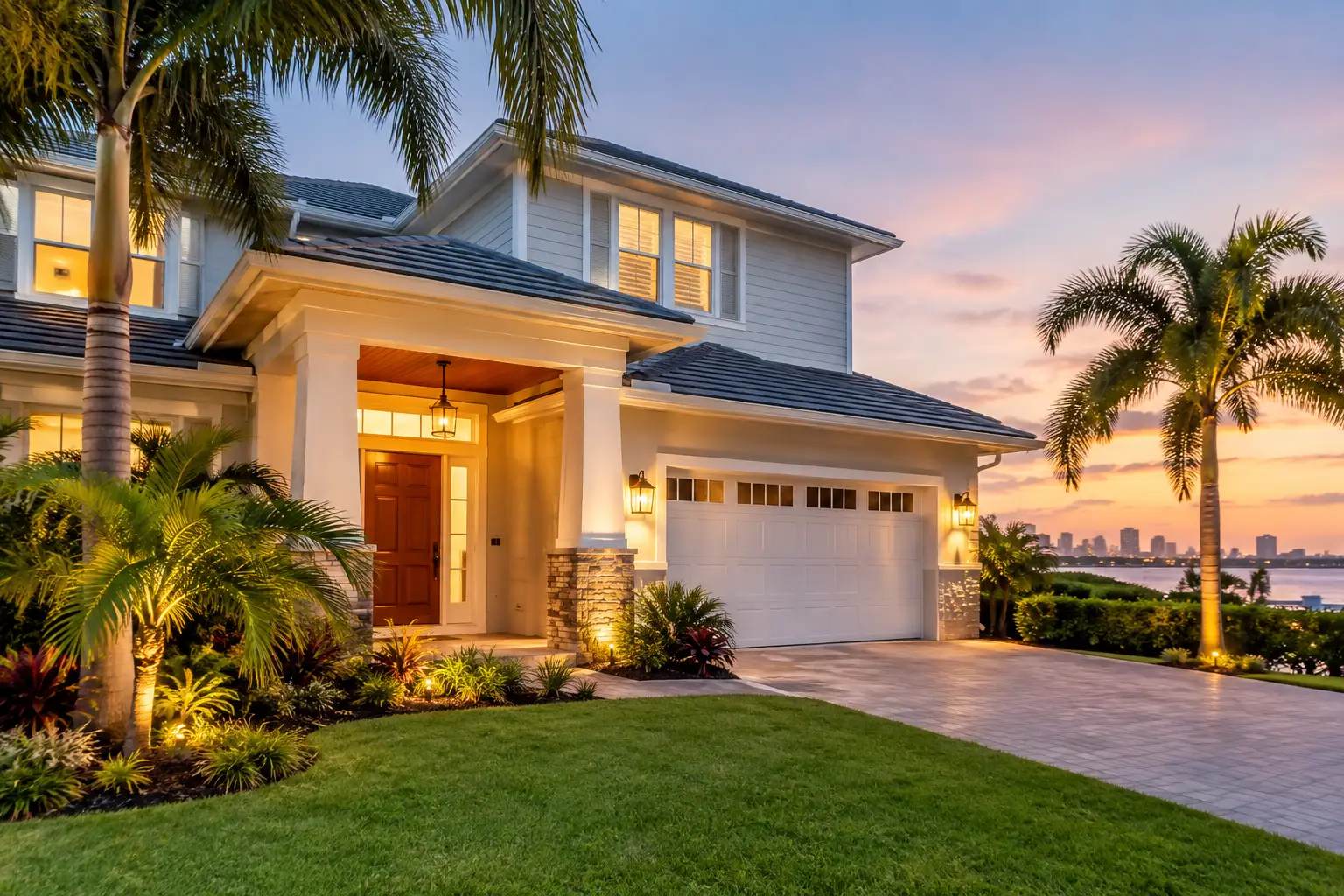
A beautiful Tampa Bay home can lose much of its presence after sunset. Fine architectural details disappear, walkways become harder to navigate, and a pool, patio, or front entry no longer feels like the inviting extension of the home it was designed to be. So, can lighting increase home value? It can, provided the lighting is thoughtfully planned, professionally installed, and appropriate for the property.
For homeowners, the more useful question is not whether a few fixtures create a specific return on investment. It is whether lighting helps a buyer, guest, or appraiser experience the property as more polished, usable, secure, and well cared for. Quality lighting can do exactly that.
What “Can Lighting” Means for Home Value
Traditionally, can lighting refers to recessed fixtures installed into a ceiling. Inside the home, well-placed recessed lighting can make kitchens, living rooms, and bathrooms feel brighter, cleaner, and more current. It is especially valuable when replacing dated ceiling fixtures, poor overhead lighting, or dark corners that make a room feel smaller than it is.
Yet for a Tampa Bay property, the value conversation should extend beyond interior recessed lights. Exterior architectural and landscape lighting often has a more immediate effect on a home’s perceived distinction because it transforms the first impression. It gives the façade depth, brings mature landscaping into view, and makes outdoor living areas feel intentional long after daylight fades.
Neither interior nor exterior lighting is a guaranteed dollar-for-dollar upgrade. Real estate value depends on location, market conditions, home condition, comparable sales, and buyer preferences. But lighting can strengthen the presentation of the investment you already own, helping the home compete more confidently when it is time to sell.
Why Professional Lighting Influences Buyer Perception
Buyers make emotional decisions quickly, then look for practical reasons to support them. A warmly lit entry, a clearly defined path, and an elegant wash of light across stone, stucco, or columns communicate care before anyone steps inside.
That impression matters because buyers are not simply evaluating square footage. They are assessing lifestyle. A home with a visible, welcoming outdoor environment suggests evenings by the pool, dinner on the lanai, and guests arriving safely for an event. Lighting does not create those amenities, but it makes them usable and memorable.
Professional design also avoids the common signs of a rushed lighting project: exposed wires, uneven fixture placement, harsh glare, overly bright floodlights, and fixtures that do not complement the architecture. Those details can make an otherwise high-end property feel less finished. A refined system does the opposite. It feels integrated, as though the home was always meant to look this way at night.
Curb Appeal That Works After Dark
Most curb-appeal upgrades are judged in daylight, but many prospective buyers and guests see a property in late afternoon or evening. Exterior lighting gives the home a presence during those hours. It can define rooflines, frame the entry, illuminate specimen palms and oaks, and reveal the texture of distinctive materials.
The goal is not to light every surface. Selective illumination creates contrast, shadow, and visual hierarchy. A skilled lighting plan identifies the features that deserve attention while allowing the home to retain a calm, elegant nighttime character.
Safety and Security Add Practical Value
A well-lit property is easier to use. Path lighting reduces trip hazards around walkways and garden transitions. Step and deck lighting make elevated areas more comfortable to navigate. Pool deck and dock lighting can help homeowners and visitors move more confidently around water after dark.
Lighting also supports a stronger sense of security. Illuminated entry points, side yards, and dark perimeter areas can make the property feel more visible and actively maintained without turning it into a brightly flooded space. For luxury homeowners, that balance is important: security should feel discreet, not institutional.
Where Outdoor Lighting Delivers the Strongest Impact
The best return is usually found where lighting solves a visible problem or amplifies a feature that sets the home apart. On one property, that may be a dramatic oak-lined drive. On another, it may be a waterfront dock, a custom pool cage, or a front elevation with exceptional architectural detail.
Architectural lighting is especially effective for homes with columns, arches, stonework, textured walls, gables, and layered rooflines. Carefully aimed fixtures reveal dimension without creating distracting hot spots. The result is a more substantial, composed appearance from the street.
Landscape lighting brings the grounds into the overall design. Uplighting can add depth to palms, crepe myrtles, and mature canopy trees, while subtle downlighting can create a natural moonlit effect along planting beds and paths. Rather than allowing landscaping to vanish at sunset, the property maintains its visual character through the evening.
Outdoor living spaces are equally important. Tampa Bay homeowners often invest significantly in lanais, kitchens, pools, fire features, and entertaining areas. If these spaces are too dim to use or so bright that they feel uncomfortable, part of the home’s lifestyle value is left unrealized. The right pool, patio, and deck lighting extends use while preserving a relaxed atmosphere.
The Details That Protect the Investment
Not all lighting projects contribute equally to perceived value. Low-cost fixtures may look acceptable at installation, then fade, corrode, shift, or fail under Florida’s heat, rain, humidity, and coastal conditions. A system that becomes unreliable can create a maintenance issue rather than a selling point.
Durable, weatherproof LED fixtures are a better fit for long-term performance. LEDs use less energy than older lighting technologies, produce consistent illumination, and typically reduce the burden of frequent lamp replacement. Quality materials, sealed connections, proper wire burial, and correctly sized transformers are less visible than a fixture’s finish, but they are central to how the system performs over time.
Control matters as well. Timers, photocells, zoning, and app-based options can make lighting feel effortless for the homeowner. A buyer is more likely to appreciate a system that turns on reliably and can be adjusted for entertaining, everyday use, or travel without complicated instructions.
Avoid Overlighting
More fixtures do not automatically mean more value. Excessive brightness can flatten the architecture, overwhelm neighbors, create unwanted glare, and make a property feel less sophisticated. It can also interfere with the comfort of people using the patio or pool area.
A custom plan should consider viewing angles, fixture shielding, color temperature, plant growth, and the way light will appear from inside the home as well as from the street. Warm, controlled illumination generally feels more inviting than cool, indiscriminate brightness.
Does Lighting Pay Back at Resale?
It depends on the home and the project. A modest property in need of major repairs will not gain the same benefit from lighting as a well-maintained home with strong landscaping and outdoor amenities. Likewise, a lighting system should not be treated as a substitute for foundational updates such as roof repairs, exterior maintenance, or a neglected front entry.
However, lighting can be a high-impact finishing investment. It improves photography, supports evening showings, and helps a home stand out from comparable properties that appear dark or generic after sunset. More importantly, it reinforces the sense that the property has been cared for with intention.
For homeowners planning to stay, the return is not limited to a future sale. There is immediate value in enjoying a safer driveway, a more graceful arrival home, and outdoor spaces that remain inviting throughout the evening. That daily experience is often the most compelling reason to invest.
Start With a Design, Not a Fixture List
The strongest lighting projects begin with a nighttime vision for the property. During a professional consultation, the conversation should cover how the home is used, which features deserve emphasis, where navigation needs improvement, and what level of maintenance the homeowner expects. The plan should then translate those goals into fixture locations, lighting layers, controls, and a clear proposal.
Elegant Accents Outdoor Lighting has focused exclusively on exterior lighting in Tampa Bay since 1999, pairing custom design with in-house installation crews and dependable maintenance support. That level of specialization helps ensure the finished system looks refined on reveal night and continues performing through Florida’s demanding seasons.
A home should feel as distinguished after dark as it does in daylight. When lighting is designed around the architecture, landscape, and way your family lives outdoors, it becomes more than an upgrade – it becomes a lasting part of the property’s character.