
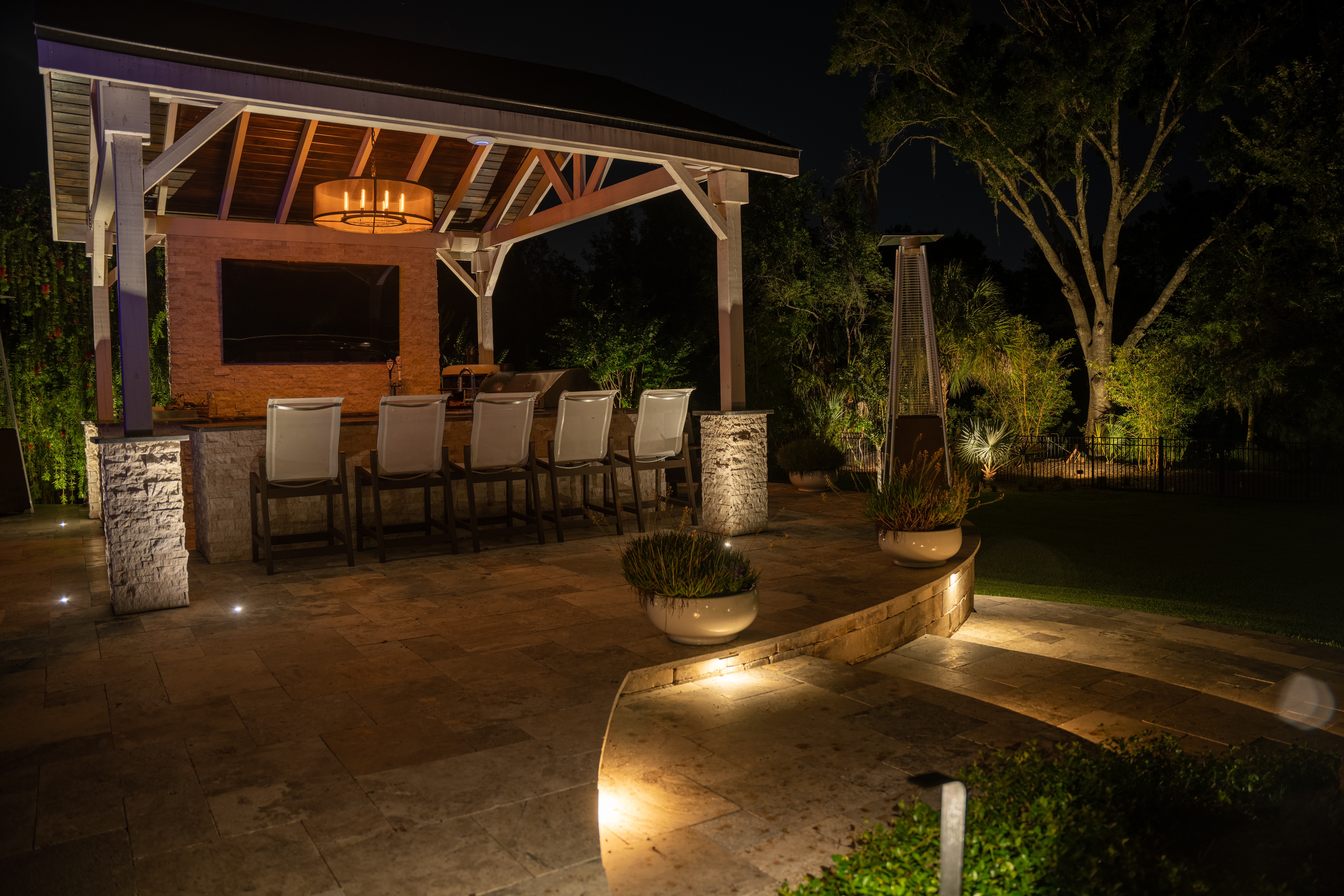
When outdoor lights keep tripping during storms, it’s more than an annoyance — it’s a safety and reliability issue for Tampa homes and businesses. Below we walk through what causes rain-related electrical failures, how to prevent them, and the upgrades that make systems dependable in Florida’s humid climate. You’ll also see how Elegant Accents can help with tailored design, expert outdoor lighting installation Tampa, and ongoing maintenance of robust LED lighting systems.
This guide covers why lights trip during rain, the value of weatherproof fixtures, professional repair options, routine maintenance plans, and smart lighting features that improve uptime.
Why Do Outdoor Lighting Systems Trip Power During Rain in Tampa?
Rain exposes weaknesses in outdoor electrical systems: moisture finds gaps in seals, corrodes connections, and creates leakage paths that trigger protective devices. Knowing the common failure points makes troubleshooting faster and helps prevent repeat problems.
What Causes GFCI Tripping in Outdoor Lights During Rain?
GFCI (Ground Fault Circuit Interrupter) outlets protect people by cutting power when current leaks to ground. In wet conditions, water can bridge conductors or corrode components, producing small faults that trip GFCIs. Typical culprits are poor sealant, damaged wiring, loose connections, or fixtures not rated for outdoor use. Regular inspections and correct installation greatly reduce these failures.
A real-world perspective helps explain why some GFCIs trip while others don’t:
Why GFCIs Trip: A Practical Example
GFCIs are essential for shock protection, but they can be sensitive to certain equipment or wiring conditions. In one case, a manufacturer added variable speed drives to products and found they worked through some GFCI outlets but not others — highlighting how device interaction and wiring can change how a GFCI responds.
How Does Water Intrusion Lead to Electrical Faults in Outdoor Lighting?
Water creates unintended conductive paths and speeds corrosion. Common entry points include exposed splices, unsealed fixture seams, and failing connectors. Over time moisture degrades insulation and terminals, increasing leakage and the chance of short circuits. Sealing fixtures, protecting splices, and replacing damaged connectors are key steps to stop water-related faults.
How Can Waterproof Landscape Lighting Prevent Rain-Related Electrical Issues?
Choosing properly rated, waterproof fixtures replaces guesswork with durability. Designed for wet environments, these fixtures keep moisture out of the electrical parts so your system stays on — and safe — through Tampa’s heavy rains.
What Are the Best Weatherproof Fixtures for Tampa’s Humid Climate?
Look for fixtures with solid Ingress Protection (IP) ratings and corrosion-resistant construction. Stainless steel, treated aluminum, and quality polymer housings stand up to salt and humidity. And since your landscape matters, pick styles that complement your property — see our portfolio for examples.
| Fixture Type | IP Rating | Material | Aesthetic Appeal |
|---|---|---|---|
| LED Path Lights | IP65 | Stainless Steel | Clean, contemporary lines |
| Wall Sconces | IP65 | High-Grade Plastic | Timeless, refined look |
| Flood Lights | IP66 | Aluminum | Durable, functional performance |
This comparison highlights durable, weather-rated choices that reduce rain-related failures while enhancing curb appeal.
How Do Corrosion-Resistant Materials Extend Outdoor Lighting Longevity?
Corrosion-resistant finishes and metals slow deterioration from salt, moisture, and humidity. That means fewer service calls and longer intervals between replacements. Investing in quality materials pays off in lower lifetime costs and steadier performance.
What Professional Outdoor Lighting Repair Services Address Rain-Related Failures in Tampa?
When rain causes persistent faults, experienced technicians diagnose root causes and restore reliable operation. Elegant Accents provides comprehensive repair and maintenance services built for Tampa’s conditions. Beyond repairs, we also offer professional outdoor lighting installation Tampa for new systems, ensuring durability and aesthetic appeal from the start.
How Do Experts Diagnose and Fix Power Trips Caused by Rain?
Pros follow a methodical checklist: test GFCIs, trace wiring paths, inspect fixtures and seals, and measure insulation resistance. Repairs can include resealing or replacing fixtures, repairing or re-routing wiring, and upgrading protection devices to meet local code and environment demands.
When Is It Time to Replace Faulty GFCI Outlets or Wiring?
Replace outlets or wiring when tripping is frequent, damage is visible, or tests show leakage or degraded insulation. Prompt replacement avoids bigger hazards and often costs less than repeated patch repairs.
How Does Preventative Outdoor Lighting Maintenance Reduce Rain-Related Failures?
Planned maintenance catches small issues before they become outages. A regular program keeps seals intact, connections tight, and electronics working reliably through Tampa’s wet seasons.
What Does an Annual Outdoor Lighting Maintenance Plan Include?
A typical annual check covers fixture cleaning, tightening connections, testing GFCIs, inspecting transformers and timers, and resealing or replacing weathered parts. This routine keeps performance consistent and reduces emergency visits after storms.
How Can Regular Maintenance Protect Against Moisture and Corrosion?
Routine cleaning removes debris that traps moisture. Reapplying sealants and protective coatings, replacing worn gaskets, and swapping corroded hardware prevent water buildup and slow corrosion — protecting both looks and function.
How Do Smart Outdoor Lighting Systems Enhance Reliability in Rain-Prone Areas?
Smart lighting brings automation and weather-awareness, reducing manual intervention and improving uptime. Properly specified smart systems paired with weather sensors and surge protection keep lights predictable and protected during storms.
What Are the Advantages of App-Controlled LED Lighting for Tampa Properties?
App control offers remote scheduling and quick adjustments for weather or events. Combined with efficient LEDs, it lowers energy use and gives you immediate control if conditions change — ideal for managing lighting through Florida’s unpredictable weather.
How Does Surge Protection Safeguard Outdoor Lighting During Storms?
Surge protection deflects damaging voltage spikes from lightning or utility transients away from sensitive electronics. Adding surge devices at strategic points helps prevent costly failures after storms and preserves the lifespan of transformers and fixtures.
If your outdoor lighting keeps acting up or you’re ready to upgrade to a more reliable system, our team can help. For tailored recommendations and professional service, contact Elegant Accents and we’ll provide a clear plan.
Frequently Asked Questions
What should I do if my outdoor lighting keeps tripping during rain?
Start by checking the GFCI outlets and looking for visible moisture or damage at fixtures. Make sure wire connections are secure and seals are intact. If tripping continues, call a qualified outdoor lighting technician to test the system and recommend repairs or upgrades.
How often should I perform maintenance on my outdoor lighting system?
We recommend at least one full maintenance visit per year. An annual inspection keeps seals and wiring in good shape and helps catch corrosion or wear before it causes outages — especially important in Tampa’s climate.
Can I install waterproof lighting fixtures myself, or should I hire a professional?
DIY installation is possible for skilled homeowners, but for reliable outdoor lighting installation Tampa, hiring an expert ensures proper sealing, correct wiring methods, and code compliance. This reduces the chance of leaks, tripping, and future repairs.
What are the signs that my outdoor lighting system needs repair?
Watch for frequent GFCI trips, flickering lights, inconsistent operation, visible corrosion, or damaged fixtures and wiring. Any of these signs merits a prompt inspection to prevent bigger issues.
How can smart outdoor lighting systems help during storms?
Smart systems can adjust schedules, respond to weather sensors, and be controlled remotely after a storm. When combined with surge protection, they reduce manual work and help keep lights on and safe.
What materials are best for outdoor lighting in humid climates like Tampa?
Materials that resist rust and moisture — such as stainless steel, treated aluminum, and durable polymers — perform best in humid, coastal environments. They need less upkeep and keep fixtures looking better longer.
Are there energy-efficient options for outdoor lighting in Tampa?
Yes. LED fixtures are the top energy-saving choice: they use far less power than incandescent bulbs and last much longer. Many LEDs work with smart controls for even greater savings and convenience.
Conclusion
Rain-related lighting failures are preventable. Choosing weather-rated fixtures, corrosion-resistant materials, surge protection, and a regular maintenance plan keeps your outdoor lighting reliable through Tampa’s storms. If you want a system built to perform — or need a diagnostic visit or professional outdoor lighting installation Tampa — reach out to Elegant Accents for a tailored solution and dependable service.